M18_ The Cost of the "Fair Share": Unpacking the Mansion and Wealth Tax Paradox
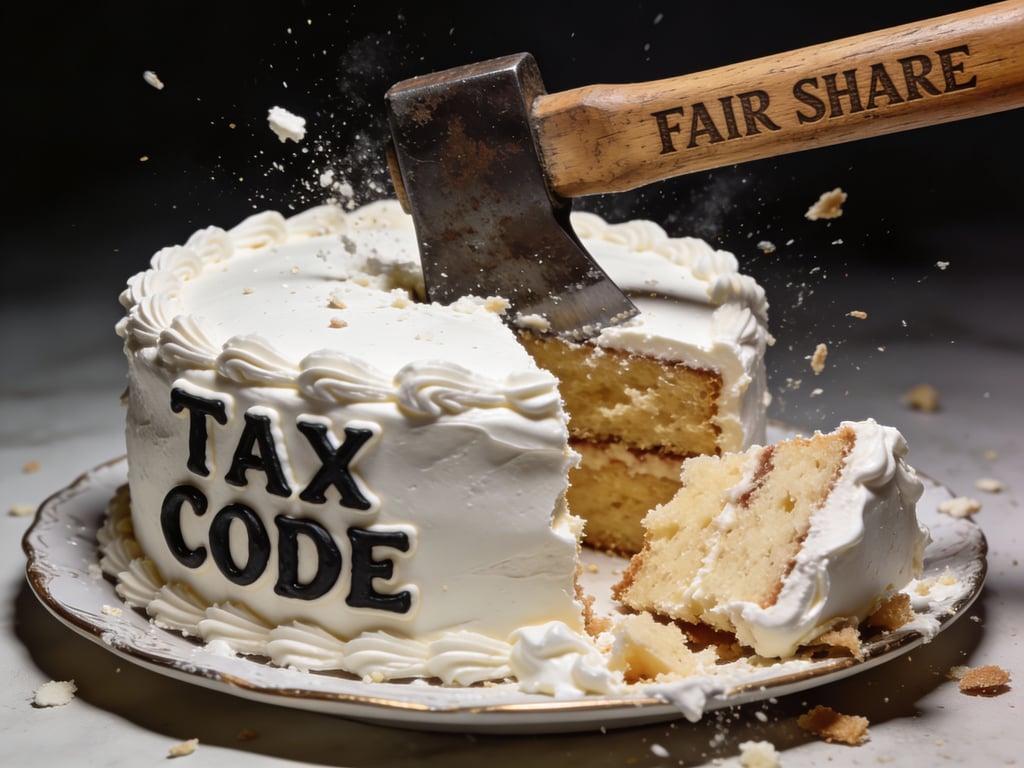
The road to hell is paved with good intentions, but in the world of real estate, it’s often paved with poorly designed tax codes. Investors and policymakers alike often fall into the trap of first-level thinking: the belief that taxing a high-value asset will simply result in a transfer of wealth from those who have "too much" to those in need. However, second-level thinking reminds us that we do not live in a vacuum; every intervention triggers a reaction, often in the form of a "sea change" in investor behavior. Today, we see a growing trend of "wealth" and "mansion" taxes nationwide, but the data suggests these measures may be more of a "leaky bucket" than a reliable fountain of social funding.
Martin O. W. DuPain
1/13/20263 min read
Background
The concept of a "mansion tax"—a surcharge on high-value residential properties—is currently enforced in states like New York and New Jersey, with cities like Los Angeles joining the fray via Measure ULA. In New York City, the 2019 budget implemented a sliding-scale mansion tax reaching as high as 3.9% for properties over $25 million to fund the crumbling subway system. Simultaneously, progressive political movements, such as those led by Zohran Mamdani in NYC or proponents of the California wealth tax, are pushing for even more aggressive asset-based levies. While these taxes are billed as a way to "make the rich pay their fair share," they often collide with the reality of market cycles and the high mobility of capital.
Key Insights
* The Market Unraveling Effect: Research into New York and New Jersey transfer taxes reveals that such "notches" create significant price bunching just below the tax threshold. More importantly, the volume of "missing" transactions above the threshold often exceeds those that move below it, indicating that the market "unravels" as buyers and sellers simply choose not to transact. This was clearly seen in Los Angeles, where luxury home sales dropped nearly 70% in the year following the implementation of the "Mansion Tax."
* Capital Flight and the Erosion of the Tax Base: When taxes move from transaction fees to ongoing "wealth taxes" on total assets, the risk of capital flight becomes acute. In California, the mere discussion of a wealth tax has explicitly driven out an estimated half a trillion dollars of net worth, with high-profile founders moving to states like Texas and Florida. This creates a paradox: by attempting to tax the "stock" of wealth, states may bankrupt the very entrepreneurs they rely on for job creation and future income tax revenue.
* The Disconnect in Spending and Effectiveness: A critical question remains: Is the money spent wisely? In Los Angeles, Measure ULA brought in just $173.6 million by early 2024—roughly a quarter of the initial $1 billion estimate. Furthermore, because the tax is collected on all real estate transfers over $5 million, it has actually discouraged the development of new multifamily and affordable housing—the very problem it was meant to solve. Similarly, NYC’s FARE Act, intended to help renters, resulted in median asking rents spiking 15% in a single week as landlords baked costs into the rent.
* The "Housing Lock" and Inventory Crisis: Jonathan Miller often notes that price is the "caboose at the end of the train," following lead engines like inventory and contract volume. High transfer taxes act as a "lock," freezing owners in place and preventing the natural turnover of housing stock. This inventory starvation keeps prices artificially high for the next generation of buyers, regardless of mortgage rate fluctuations.
Conclusion
We must recognize that "wealth" is often illiquid; forcing the sale of stock or property to pay an annual tax bill can destroy the underlying business or asset value. When governments step in to "fix" market problems with aggressive taxation, they often create new inefficiencies: reduced choice, higher entry costs, and a less dynamic economic landscape. The evidence from Vancouver to Los Angeles suggests that while these taxes generate revenue, they rarely achieve their stated social goals without significant damage to the broader market.
We should strive to be the "weighing machine" of long-term value, rather than the "voting machine" of populist sentiment. Success in the next cycle will belong to those who prioritize risk control over the chase for "easy" tax-funded solutions. As we navigate 2026, the strategy must be to move forward with caution, accepting that the old rules of "endless liquidity" have been replaced by a harsher, more regulated reality.
You might think of the current regulatory environment as a magnificent, historic estate that is falling apart. Instead of the owner using their power to hire the right contractors for repairs, they spend their time lobbying for new rules on how their neighbors' smaller houses are built, all while the roof over their own head continues to leak.
For further discussions, inquiries or to delve deeper into this analysis, please feel free to get in touch.